Trace the action
An order status is more useful when the rule and broker response behind it can also be inspected.

About Tamegallery
Meet the Durban team building tools for clearly defined rules and visible operational checks.
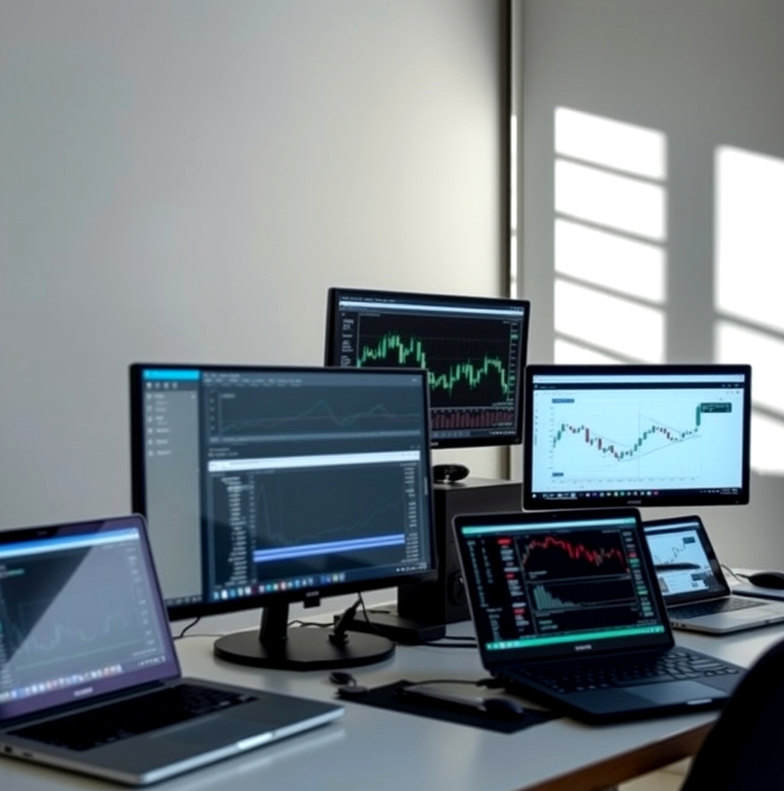
Tamegallery is a Durban-based software business that helps people turn their own trading rules into configured, testable workflows. We build tools for strategy automation, historical testing, operational limits, broker connections and activity monitoring. Our work is for South African traders and small teams who already have a strategy they can describe and who want to examine how software applies it. A client does not need to arrive with technical documentation, but they do need to explain the decisions the workflow is meant to make. Since 2022, our focus has been the space between a written rule and an order sent to a broker: what was checked, what was submitted and what response came back.
We begin by writing down the conditions, exceptions and unanswered questions. We then configure a testable version, walk through sample events and document the settings the client approves. When a broker connection is involved, we check the technical path and record what the external service returns. We favour explanations that a client can revisit after the setup call, especially for rejected orders and pause conditions. Tamegallery supplies software and technical configuration, not discretionary account management or personal investment advice. We do not choose a strategy, predict market behaviour or decide whether a live trade is suitable for someone. Broker permissions, data quality, connectivity and market conditions can all affect what a workflow is able to do. Clients remain responsible for reviewing activity and deciding when to enable or stop it.
Tamegallery began in Durban with a focus on making rule-based trading activity easier to configure and inspect.
A client's written conditions are checked for ambiguity before they are translated into a workflow.
The agreed rules, limits and event records are assembled into a version the client can test.
The client receives a settings walkthrough and an explanation of ongoing review responsibilities.

An order status is more useful when the rule and broker response behind it can also be inspected.
A setting should be explained alongside the external conditions it cannot control.
The person operating the account chooses the strategy, approves the configuration and remains able to pause it.
You can contact Tamegallery at 18 Richefond Circle, Umhlanga, Durban 4319, South Africa, email hello@tamegallery.com or call +27 31 555 0184. We answer general and technical enquiries during South African business hours, Monday to Friday, 09:00 to 17:00. Please describe your question without sending broker passwords, account credentials or sensitive financial information.
Send a question